
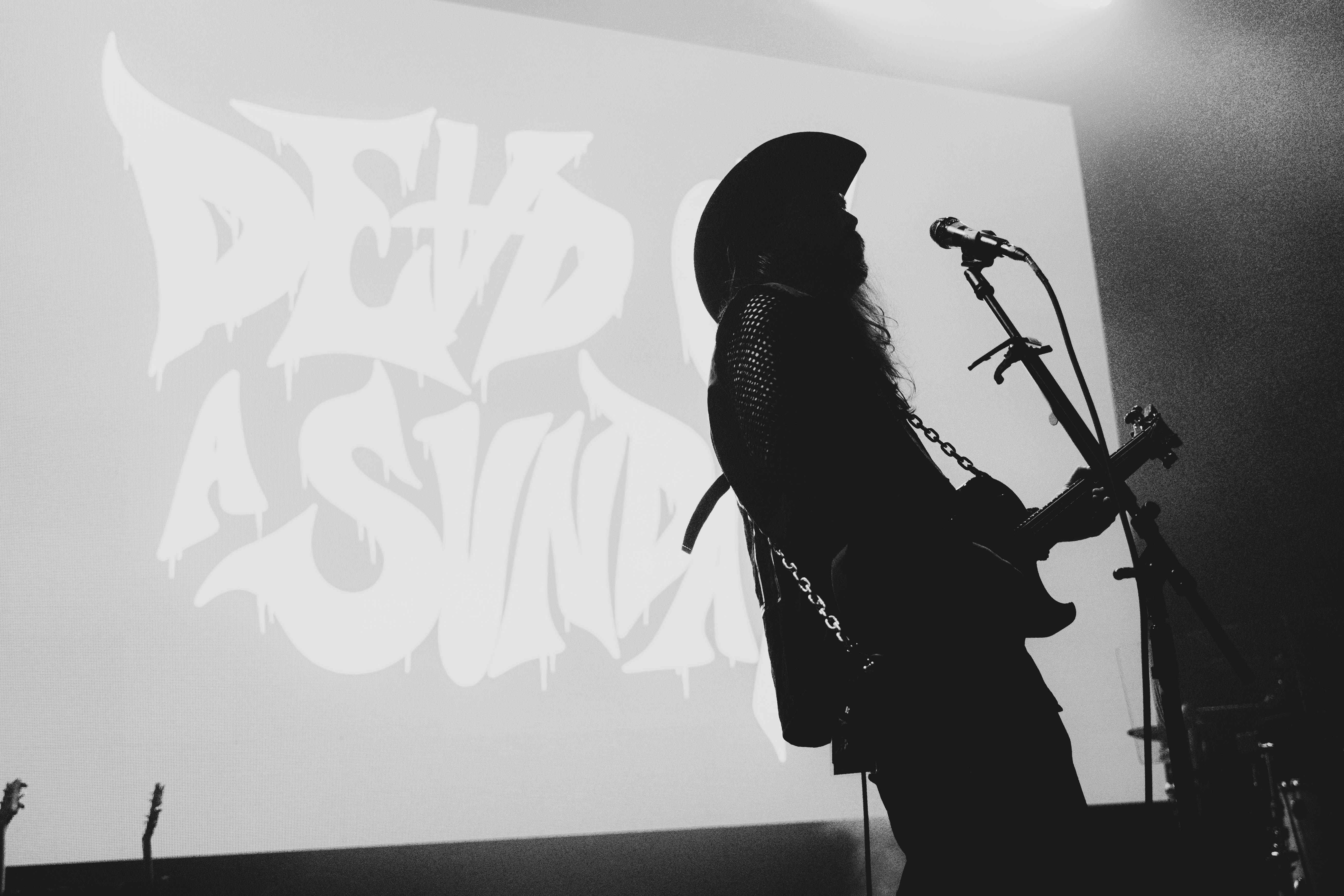
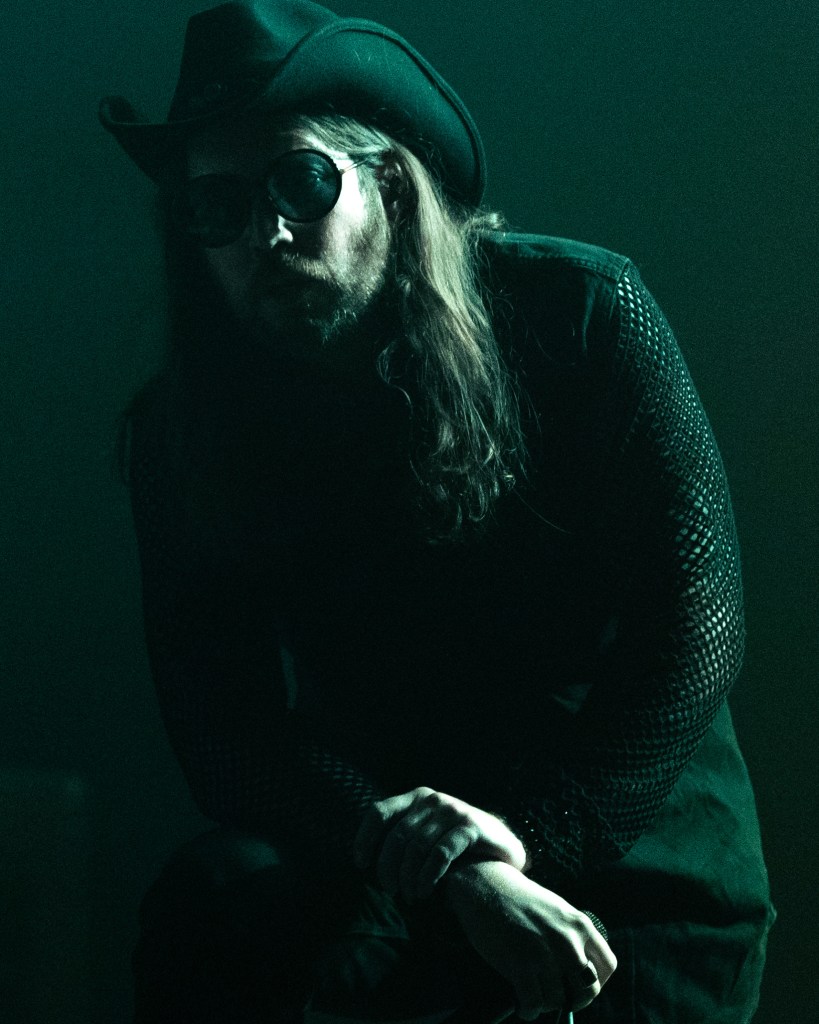
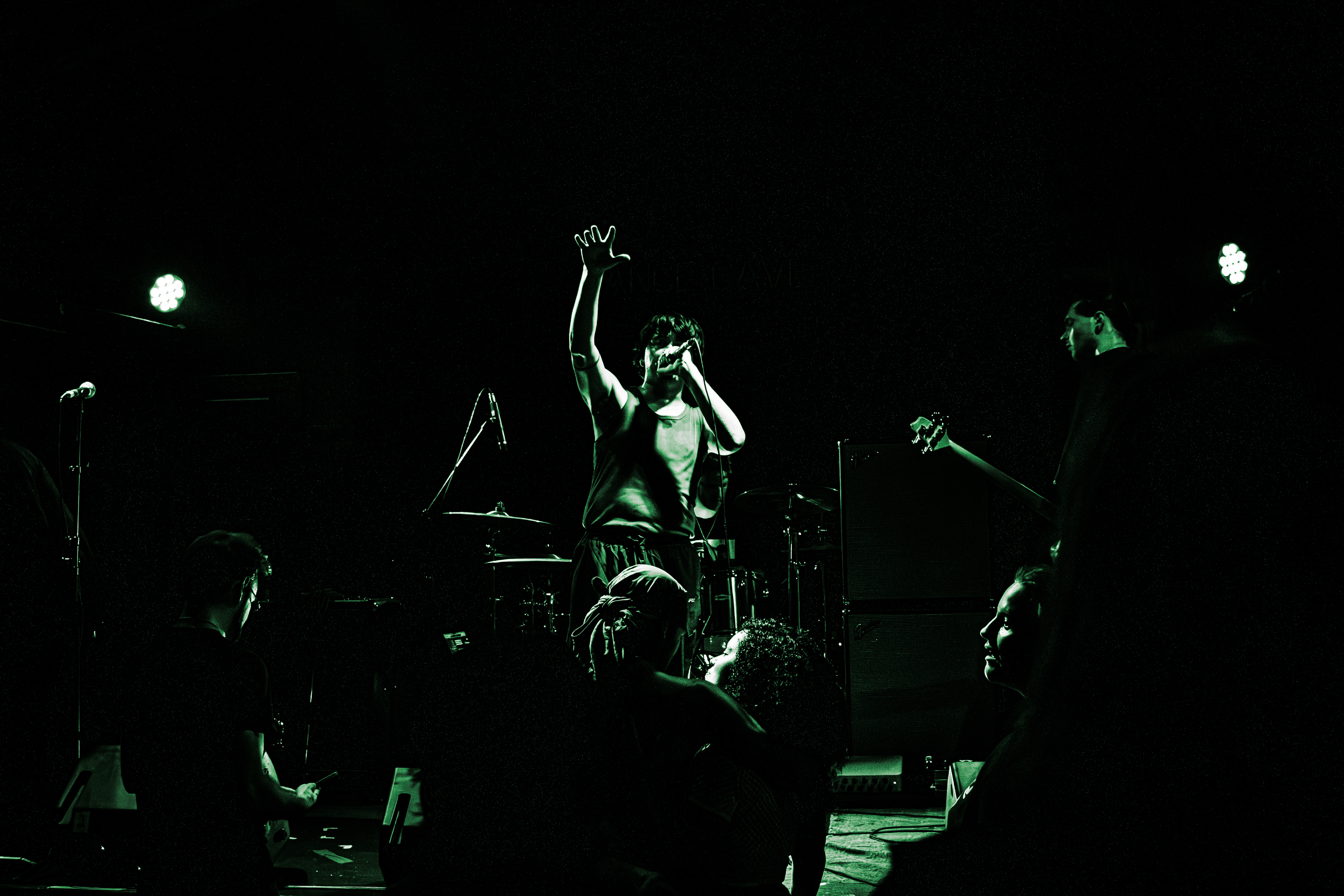
A man takes the stage. Long locks stream from the cowboy hat that shields his eyes, making him look like a dark hero in a Stephen King novel. His expression is dead serious. He keeps his words brief before launching into a darkwave-esque cover of Britney Spears’ Baby One More Time. Welcome to the world of Dead on a Sunday. Be prepared for what is, sonically, one hell of a wild ride.

Through videos of covers like the Blink-182 and Mr.Kitty mashup Dammit (After Dark), Q Lazzarus’ Goodbye Horses, or Chris Isaak’s Wicked Game, Dead on a Sunday exploded onto the scene, going viral on social media – but it was a stray internet comment that pushed the project into viral territory. A comparison likening vocalist and songwriter Ross Ryan’s voice to that of Bob Belcher from Bob’s Burgers sparked a running gag that quickly took on a life of its own.
For his part, Ross leaned into it: the white apron, fake mustache, eyeliner. What began as an offhand joke on social media turned into a recognizable gothic night-butcher aesthetic on stage, and fans gave it a name: bobcore. Bobcore resonated hard with fans, and quickly garnered a loyal following as Dead on a Sunday’s name spread like wildfire on social media.
But while bobcore was, for many fans, an introduction to Dead on a Sunday, the unique sound and beautifully written lyrics kept them hooked as many realised that beyond bobcore is an artist rooted firmly in DIY ethos and the work ethic and talent to back up the social media success.
“Prolific” is a word that gets thrown around a lot, especially with independent artists, but Ross Ryan is prolific. Dead On A Sunday began as a fully self-written, self-recorded, and self-mixed project with Ross at the helm. Listening to him talk about the pitfalls of the music industry (which he often does with candor and proficiency on social media), there’s almost a sense that there’s a chip on his shoulder, as if he’s needing to prove that independent artists can make it without the funding of a major label. False Chord spoke to him at one of his Canadian dates, and one thing he said to us really left an impression:
“The way the major labels have designed the music industry, it’s just not made for artists to win. You’re getting advances and paying back the worst credit-card deal of all time.”
Ross is at the forefront of a distinct shift in mindset for DIY artists, proving that modern success is not simply defined by massive streaming numbers but more about building a loyal fanbase that actually buys tickets to shows. It makes so much sense when you break it down – if an artist can get a fan to buy a $30 ticket to a show, to make $30 in streaming royalties, they’d need that fan to listen to their songs 10,000 times.

Dead On A Sunday’s first full-length release Strange Days is a perfect example of what people mean when they use the term “poly-jam-orous”. It shifts effortlessly from punk/rock to post-punk to new wave, with many songs drawing comparisons to legendary acts like AFI and The Cure.
The EP Things To Do In Denver When You’re Dead, released in 2023, is darker, and more atmospheric, with driving synths over downtempo tracks. The songs are introspective, and at times drenched in darkwave.
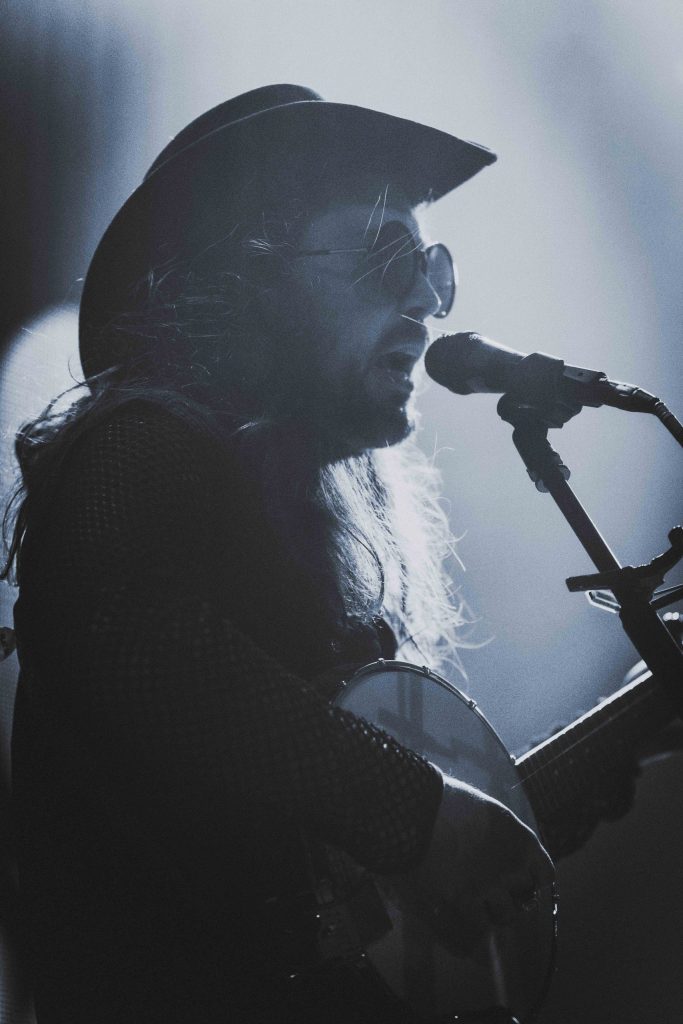
Then came Cold Red Sea, another departure, experimenting with new sounds and influences. While some tracks are seeming more radio-friendly on the surface, the album as a whole introduces a number of unexpected genres and elements, including the use of a banjo in You Suck (the life out of me), which is an unexpected sound to hear on an album with such a dark feel, and what’s even more expected is how perfectly it works. Overall, the songs build well, the hooks are bigger, but it’s still got the signature Ross Ryan grit.
Within the Dead On A Sunday catalog are a lot of covers culminating into a 12-track cover album released in 2024. While initially the covers were what initially brought attention to the project, the original Dead on a Sunday sound is what is keeping fans locked into the band. Crowds seem to be increasingly invested in Ross’ own songwriting rather than reinterpretations of classics. While covers seem to be necessary in today’s era to beat the ever-tightening algorithm, they’re taking a back seat with the band’s newest offering, In Memoriam.
Released in late 2025, In Memoriam is the most complete Dead On A Sunday release to date. Where earlier records sometimes felt like collections of great tracks, In Memoriam sounds like a true front-to-back album: cohesive, intentional, and paced with purpose. The sound has evolved into something signature and unmistakable, balancing alt-rock, darkwave, and gothic rock, in a more cohesive album that highlights Ross’ storytelling abilities. It’s heavier emotionally, more focused conceptually, and designed to be an experience start to finish.
If previous releases were about exploration of sound, In Memoriam is about its arrival.


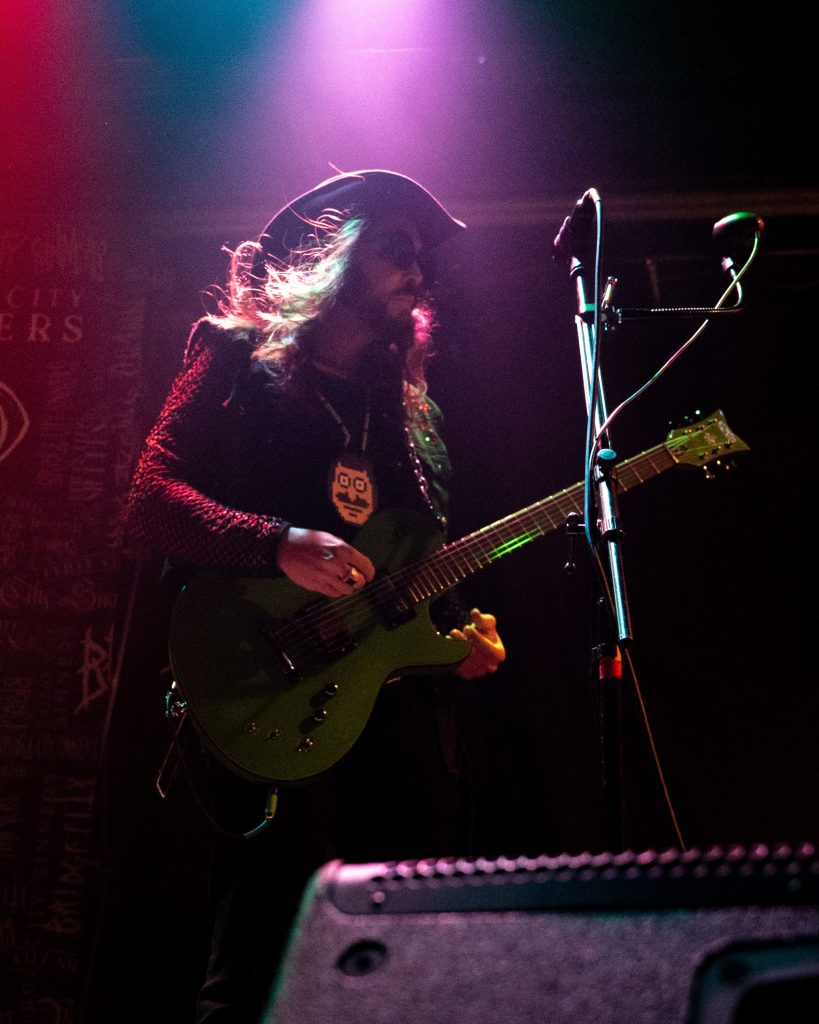
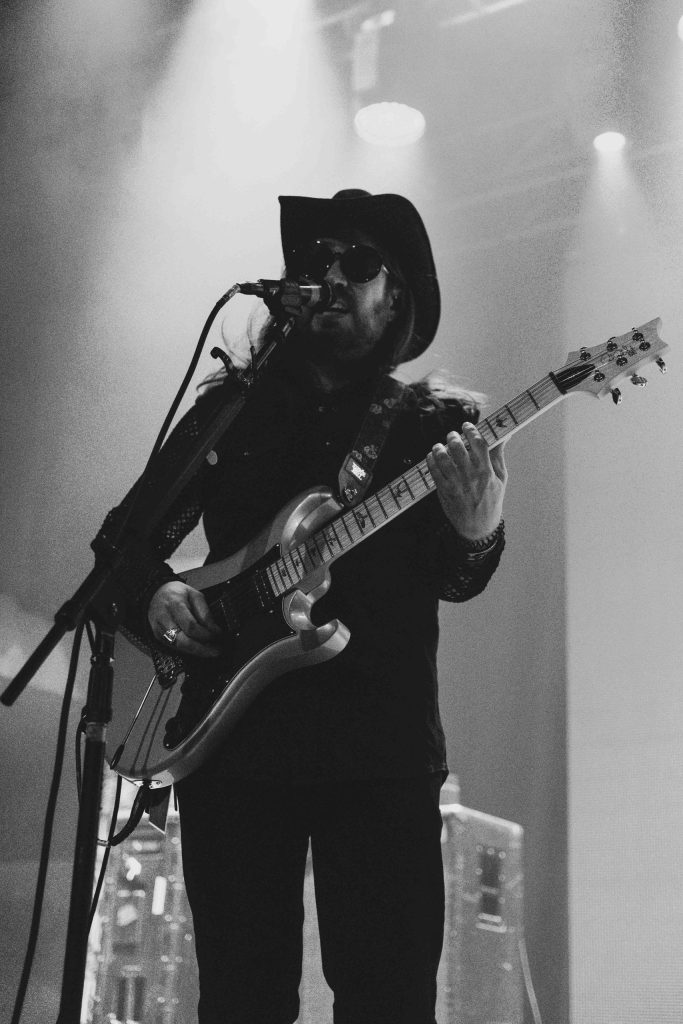
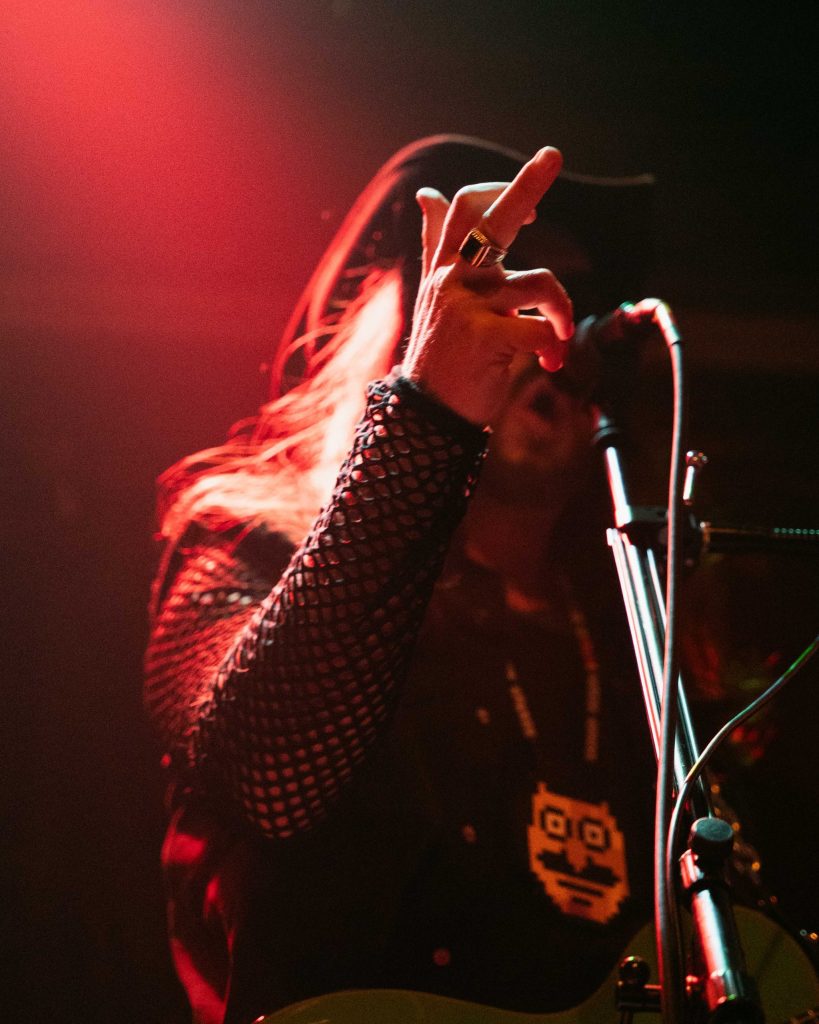

What makes Dead On A Sunday resonate right now isn’t just the signature genre-blending, it’s the honesty behind it. This isn’t a project chasing trends or sanding down edges to appeal to the widest possible audience. The musical diversity in the project is there because Ross wants to write what feels interesting, not what feels marketable. Punk, goth, darkwave, hard rock, it all collides without apology and speaks with honesty and grit.
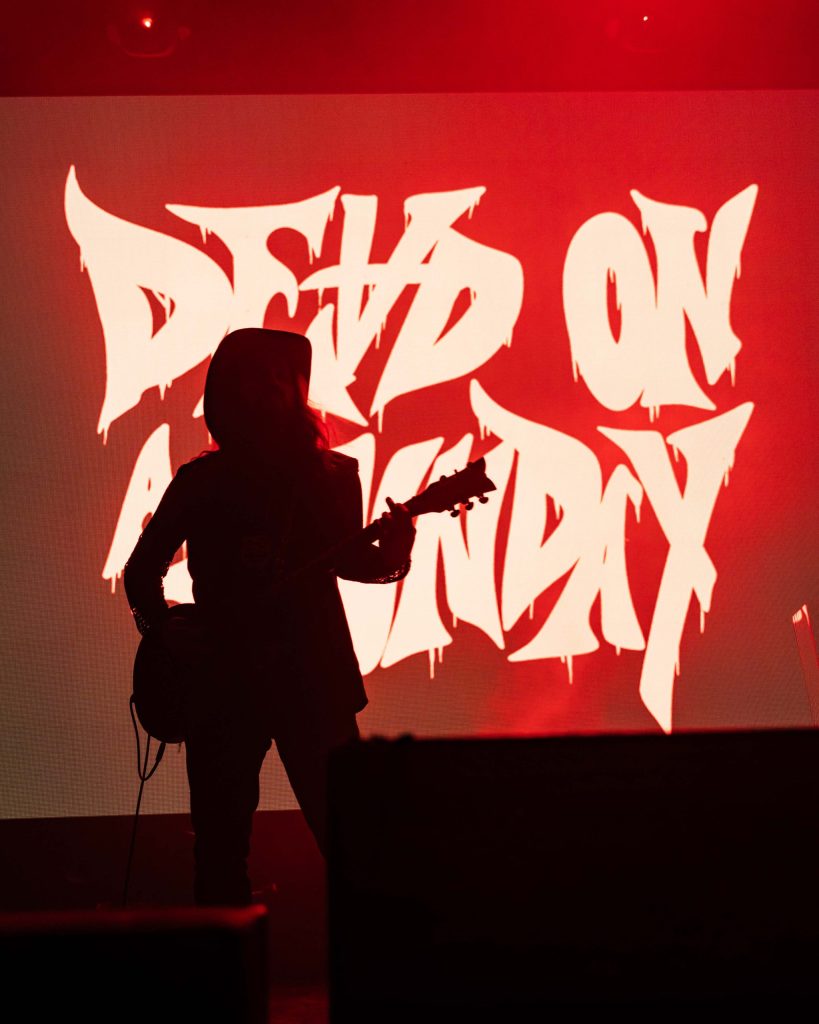
Yesterday it was bobcore. Today it’s a gothic, murder-cowboy silhouette. Tomorrow is deliberately unclear. And that uncertainty, well, it almost feels like the whole point.

Leave a Reply