
Music – like fashion – is cyclical. In the early 2020’s we saw a revival in eighties disco conventions in pop music and Greta Van Fleet was taking over music charts with their classic, classic rock sound, which took many Gen X-ers back to the “good ol’ days.”
Around this time we were using oversaturated filters on everything and wearing flared jeans and bright colours. Then, between 2022-2023, we saw a rise in grunge aesthetics, sounds, and suddenly everyone was in a hardcore band because that had a resurgence too, and things got 90s as hell. Now, we’re heading into the next era of this cycle.


I’m now regretting donating all my slim-fit Aeropostale shirts (which had been worn so much the cotton had become transparent). Low waisted jeans have re-entered the picture, and something that we once thought was a fashion nightmare has now become so sought after, prices for a pair on Depop will melt your face off. Regardless, along with the 2000s came emo(core) and metalcore, bands like Attack Attack!, My Chemical Romance and Underoath. Somehow, at this very moment, the world has bred so many perfect disasters one after the other that it has effectively spawned the rebirth of these genres.
I remember discovering I Promised The World and immediately thinking to myself, “this band sounds great, I’m certain they don’t exist anymore,” and that couldn’t have been further from the truth. They were new and fresh; these boys were my age, making music I wished I was sentient enough to appreciate at its prime. It felt like my chance to finally live this era of music and be a part of a scene I dreamt of. And when I discovered they’d be touring, I didn’t care if they weren’t coming to my city; I was going to see them this time around even if it meant I had to fly over to Vancouver, because in my heart of hearts, I know I will never see them play a venue as small as Newspeak ever again. Their crowd at Hellfest just a week prior was tenfold bigger than the capacity of that little club.


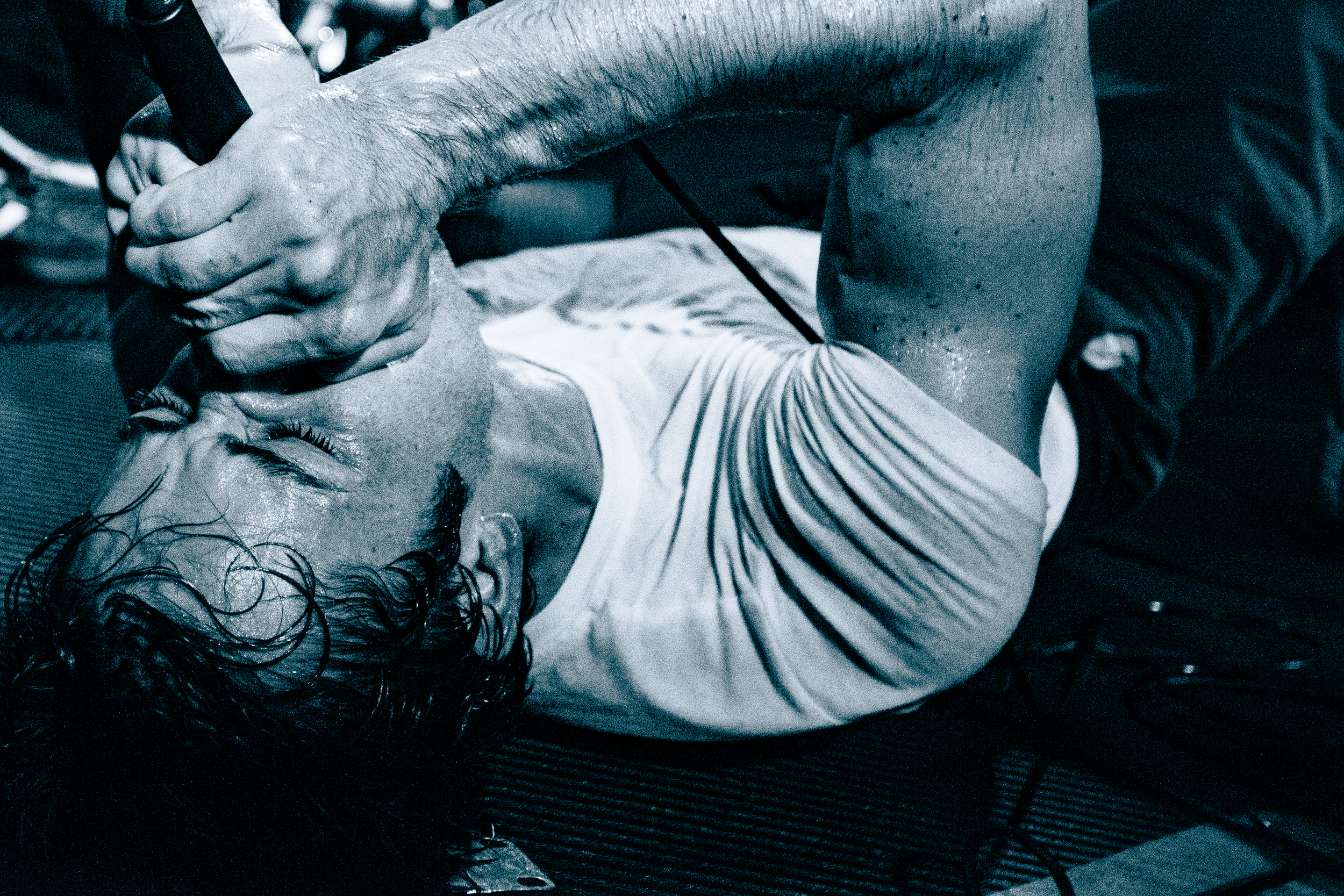
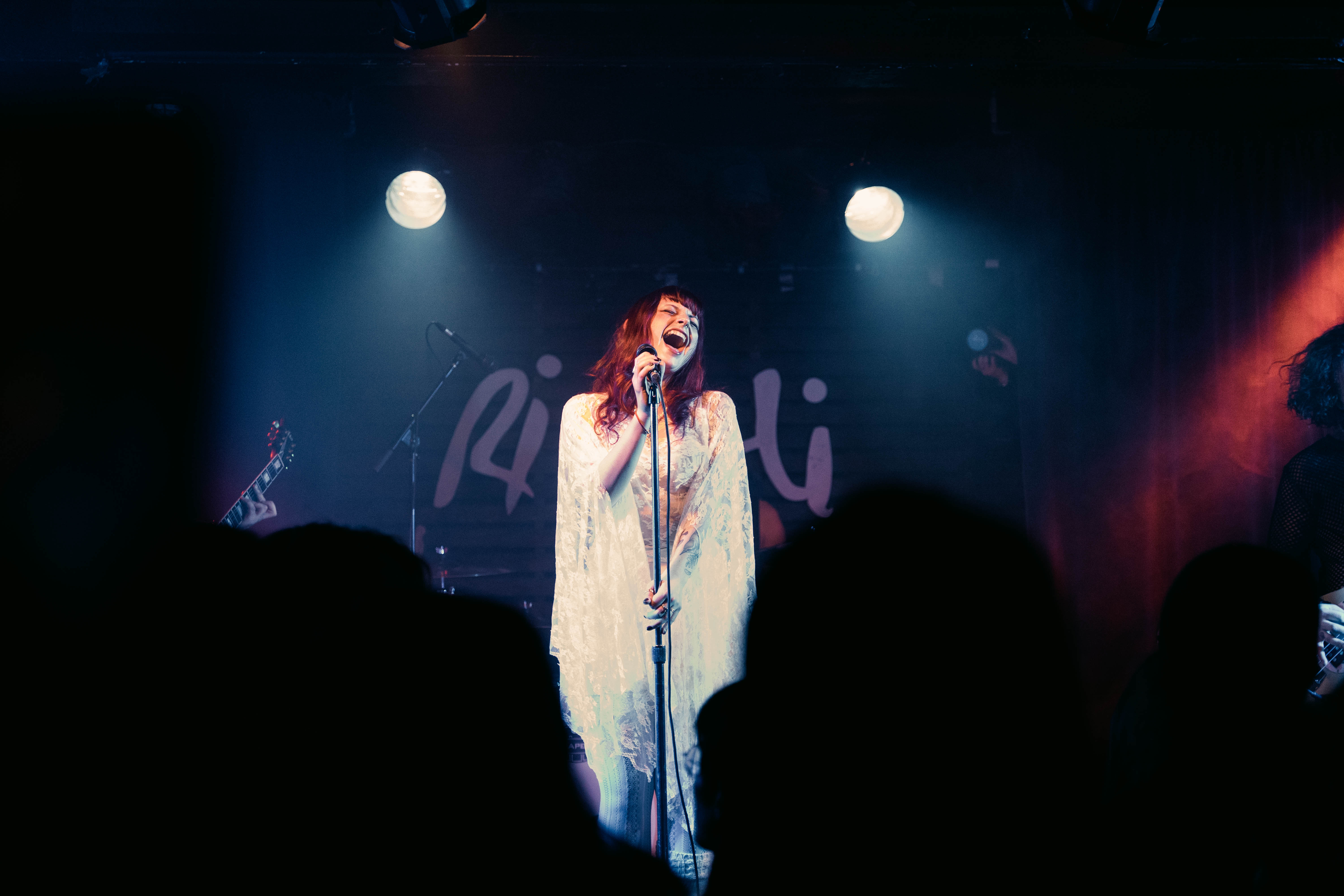
It was hot. It was sweaty. It was a room packed with twenty-somethings who shared my rage and adults who missed their youth. It was a room that felt like those camcorder recordings of old Title Fight gigs you see on Instagram and wish you were there. It wasn’t just I Promised The World’s set that had this effect on the kids, though, making them cry and dance and piss each other off because Hunter told us so; Guilt. and Rosasharin—the other bands on this tour—also had that early 2000s je-ne-sais-quoi. The kind of swagger that comes from wearing t-shirts two sizes too small and jeans that rest so low on your hips, belts can’t keep them up. And it fucking rocked. Guilt had this groovy, white-belt edge that left me pinching myself because I couldn’t believe what I was witnessing. The energy was so intense, I was wondering how the hell a band with five players could make a stage that small look so damn massive. Rosasharin was the same too, and all their members reminded me distinctly of other emo/metalcore heroes; their bassist had this Mikey Way aura about him and the two vocalists were George Pettit and Dallas Green in the Math Sheets Demos. I felt like I stepped on the gas, hit 88MPH in an RV and accidentally sent myself back to 2008.
So, if it wasn’t a time machine, how did we get here?
Although driven by political unrest (which would light a fire under any Punk’s ass), the hardcore punk resurgence of the 2020s quickly followed the same demise of their predecessors. Before I begin, I should note that, despite many hardcore bands still maintaining a predominantly male fanbase, there have been active efforts to circumvent this through hardcore punk itself—bands like Scowl and Gouge Away are pillars of this—however two things can remain true at the same time. Hypermasculinity and the cultivation of unsafe spaces for women has always been an issue in punk and was the very thing that fizzled hardcore out in the first place, birthing the genres Sasscore and White-Belt to combat it. Emocore was born because bands wanted to introduce melodies into hardcore and further their vulnerability without sacrificing their heaviness. Metalcore was born to reject the metal and punk purists who thought the two had nothing in common, but mostly as a big flip-off to punk traditionalists who believed instrumental complexity would never sell.


“There was nowhere for us to go, nowhere for us to find ourselves except through creative means like art and social media. Instagram and TikTok have become a strange, uncanny de facto MySpace for many bands.”
2026 is a year of chaos. What can I list here about the current state of the world which we don’t already know? We are on the precipice of World War 3 and the world is (literally) on fire. Artificial Intelligence has taken over the world, half the population can’t tell what’s AI and what isn’t, and they don’t understand the harm in it anyway. Coming back to not only hardcore, but heavy music in general, hypermasculinity and sexism has become rampant, and music has broadly ebbed into sounding overproduced as it does every now and again. To top it all off, we are well into a global recession and are now working to live and not living. Seems pretty similar to what was going on in the early 2000s. It is only natural the human habits of that decade would return to pacify us the second time around.
I Promised The World and other bands like Guilt., Holder, Rosasharin, Febuary and Crowquill have shown up at an interesting time. Notably because I believe the grounds to host these bands have been set by our current world, but also because we are in an age where everything has a nostalgia factor as a result of the 2020 pandemic. Some folks I’ve spoken to think the newfound popularity of these subgenres is contrived because they have that old-school metalcore/emo sound, but myself and other kids believe it’s because there has never been a better chance for Gen-Z to experience this authenticism and rage through music and scene-spaces which have been robbed from us.
Our formative years have been spent indoors, mostly in front of a screen. Some of us didn’t have prom and graduated over Zoom. When things opened back up, the economy had crashed and club gatherings and arcades had been obliterated by the shutdowns. There was nowhere for us to go, nowhere for us to find ourselves except through creative means like art and social media. Instagram and TikTok have become a strange, uncanny de facto MySpace for many bands. I could ramble on about the exact ingredients used to create the space for bands like IPTW to thrive in, but it becomes repetitive and my point is becoming clear.


The DIY ethos of hardcore paired with the pain and vulnerabilities of emo have created environments in which young adults of all backgrounds can come together and scream their hearts out.
The kids are filled with rage. The kids are lonely and sad. These emotions are bottlenecked and have nowhere to go; our third spaces have been stripped by leases too expensive to renew and new condo developments, the pandemic in tandem with social media addictions have made real-life socializing more difficult than ever, and we’re too broke to afford the club or the mall. The world feels like it’s falling apart before our eyes and there needs to be release for us, somewhere. The DIY ethos of hardcore paired with the pain and vulnerabilities of emo have created environments in which young adults of all backgrounds can come together and scream their hearts out. Our millennial elder siblings are joining us in this same anthem because they lived through it, missed it and finally have it back.
It’s interesting seeing three kids, one in an Orchid shirt, one in an MCR shirt and another in a Converge shirt all grab Hunter’s microphone and sing “Don’t Just Stand There” together, into the microphone, lip to lip, when this would’ve been unheard of twenty years ago—and it makes perfect sense now two decades in hindsight. The lyrics in that song tug at your chest because those words have never held more truth. The proximity of it all. The stage being so close the band’s dripping sweat all over you. The crowd being not only an audience but a part of the performance, is what we’ve been missing. The human aspect of art and collaboration. Barricades and arena ticket fees create a divide. Do we really need any more division?
Go support your local band. Get off your high-horse and listen to some emo; who knows, you might actually like it. Go see an up-and-coming touring act and be a part of something. This may be the only time you can experience collective rage through music like this for another few decades, until the cycle repeats itself. Go. Don’t just stand there.

Leave a Reply